5G technology is becoming a bigger part of daily life in 2026. Faster mobile networks are changing how people work, shop, travel, play, and connect with services.
The main benefit is speed, but 5G is not only about faster downloads. It also supports lower delays, stronger connections, and more devices working at the same time. This is helping businesses improve services and giving consumers smoother digital experiences.
Faster Connectivity Is Changing Expectations
Consumers now expect fast access everywhere. They want videos to load instantly, apps to respond quickly, payments to process smoothly, and customer support to work without delays.
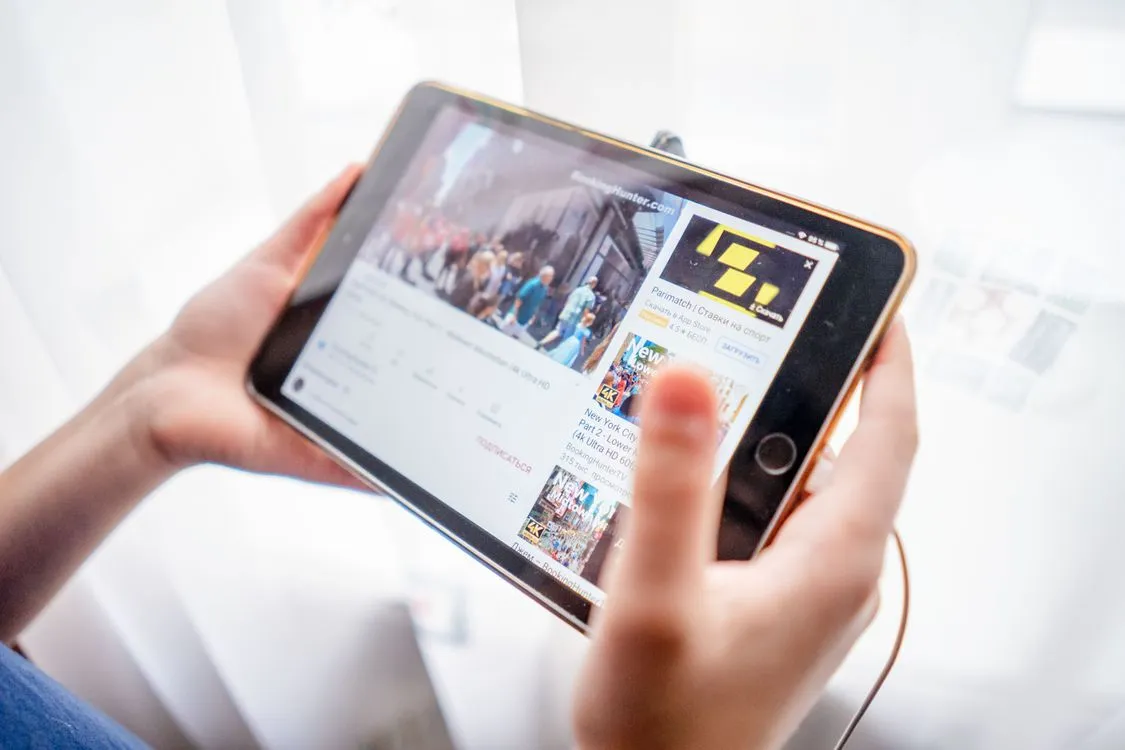
5G helps meet those expectations by giving mobile devices stronger performance. People can stream high-quality video, join video calls, use cloud apps, and play online games with fewer interruptions.
This matters because mobile use is now part of almost every industry. A slow connection can affect shopping, banking, transport, work, entertainment, and travel. Faster connectivity makes digital services feel easier and more reliable.
For businesses, this raises the standard. Customers are less patient with apps, websites, and services that feel slow. Companies need to design experiences that match the speed people now expect.
Businesses Are Working More Efficiently
5G is helping businesses improve operations. Teams can use cloud tools, video calls, digital dashboards, and connected devices with better reliability.
This is useful for companies with remote staff, field teams, warehouses, delivery services, or several locations. Employees can share updates, access records, and complete tasks from almost anywhere.
In industries such as logistics, construction, and manufacturing, faster connectivity can support real-time tracking and monitoring. Managers can see where equipment, vehicles, or products are and respond faster when something changes.
This helps reduce delays and improve decision-making. Instead of waiting for reports, businesses can use live information to manage work more accurately.
Retail Is Becoming More Connected
Retail is one of the industries benefiting from stronger mobile networks. Stores are using 5G to support digital payments, smart shelves, inventory tracking, mobile checkout, and personalized customer experiences.
A customer may use an app to find products, check stock, receive offers, and pay without waiting in a long line. Staff can also use connected devices to answer questions faster and manage stock more efficiently.
5G can also improve online shopping. Product videos, live shopping events, virtual try-ons, and customer support chats can run more smoothly. This makes digital retail more interactive and less frustrating.
For retailers, better connectivity can help connect the online and in-store experience. Customers can move between both more easily.
Healthcare Is Using Real-Time Data
Healthcare is another area where 5G can make a major difference. Faster networks support remote consultations, connected medical devices, patient monitoring, and quicker data sharing between teams.
Patients can speak with doctors through clearer video calls. Wearable devices can send health information more reliably. Hospitals can use connected systems to track equipment, manage patient flow, and support faster communication.
In some settings, 5G can also support advanced medical training and remote expert guidance. Specialists may review information or support teams from another location.
Healthcare still needs strong security and careful systems, but better connectivity can make services more accessible and responsive.
Entertainment Is Becoming More Immersive
Entertainment is one of the most visible areas of 5G growth. Faster networks allow people to stream, game, watch live events, and use interactive apps with fewer delays.
Mobile gaming benefits because timing matters. A stronger connection can make games feel smoother and more responsive. Streaming platforms can offer higher-quality video with less buffering. Live events can include interactive features, multiple camera angles, or real-time audience participation.
5G also supports virtual reality and augmented reality experiences. These technologies need fast connections to feel natural. As devices improve, more users will expect immersive entertainment that works well on mobile networks.
Casinos Benefit From Real-Time Services
Casinos and casino resorts are using better connectivity to improve guest experiences. Modern properties often include hotels, restaurants, entertainment venues, gaming areas, rewards programs, and mobile apps. Strong mobile networks help connect these services more smoothly.
Guests can use apps to check rewards, book dining, view event schedules, receive offers, and access support. With 5G, these features can work faster and feel more reliable, especially in busy resort areas.
Real-time services can also help casino teams manage operations. Staff can monitor guest flow, update promotions, process payments, and respond to service requests more quickly. This improves convenience for guests and efficiency for the business.
Online entertainment habits also reflect the demand for fast and easy access. Many users compare gaming options through resources such as best slot sites, showing how speed, mobile design, and convenience continue to shape casino entertainment.
The Future of 5G Is Practical
The impact of 5G in 2026 is practical. It helps people connect faster and helps businesses operate with better information.
Industries such as retail, healthcare, entertainment, transport, hospitality, and casinos are using faster networks to improve service and reduce delays. Consumers benefit through smoother apps, better streaming, faster payments, and more responsive support.
The most successful businesses will use 5G to solve real problems. Faster connectivity is valuable when it improves daily experiences. In 2026, that is exactly where 5G is making its biggest difference.