
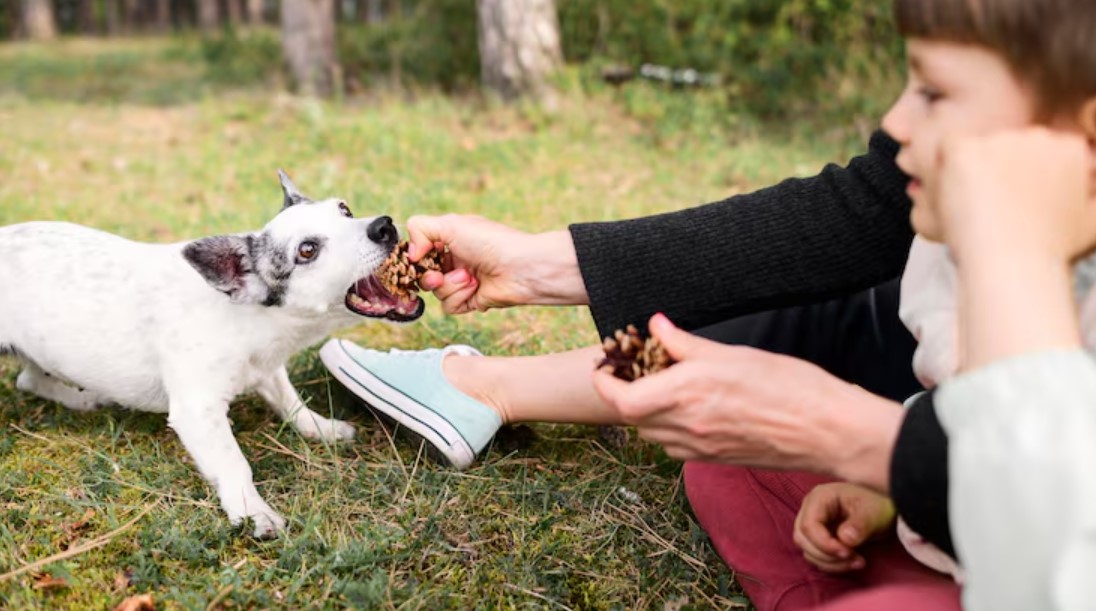
The best dog training treats are small, tasty rewards that encourage positive behavior while keeping your dog’s daily calorie intake balanced. A good training treat should be easy to chew, highly motivating, and appropriate for your dog’s size, age, and health needs.
Training treats are valuable tools for teaching commands, improving focus, and reinforcing good habits. However, treats should support your dog’s main diet, not replace it. Choosing the right reward requires understanding ingredients, portion sizes, calories, and when to use different types of treats.
Many owners search for the best puppy treats when starting training with a young dog, but adult dogs also benefit from properly selected rewards. The best dog training treats are those that help your dog learn while maintaining a healthy weight.
Why Are Dog Training Treats Important?
Dog training treats work because they provide immediate positive feedback when a dog performs a desired behavior. Reward-based training helps dogs understand which actions earn positive outcomes.
Treats can be used for:
-
Basic commands
-
Recall training
-
Leash walking
-
Crate training
-
Socialization
-
Reducing unwanted behaviors
-
Advanced obedience
For example:
When teaching a dog to come when called, giving a reward immediately after the dog returns helps create a positive connection with the command.
The treat acts as motivation, but timing and consistency are equally important.
What Makes the Best Dog Training Treats?
The best dog training treats should have several qualities:
-
Small size
-
Strong appeal to the dog
-
Easy chewing
-
Low calorie content
-
Safe ingredients
-
Easy handling during training
During training sessions, dogs may receive many rewards. A large treat given repeatedly can quickly increase calorie intake.
Small treats allow more repetitions while keeping portions controlled.
Why Treat Size Matters During Training
Treat size plays an important role in effective training.
A training reward should usually be small enough that your dog can eat it quickly and return attention to you.
Large treats can:
-
Interrupt training flow
-
Add unnecessary calories
-
Reduce the number of rewards available
For example:
A dog learning recall may need 30 to 50 reward opportunities during practice. A pea-sized treat may work better than a large biscuit because the dog can continue practicing without overeating.
What Ingredients Should You Look for in Dog Training Treats?
The ingredients in training treats should support safety, digestion, and motivation.
High-Quality Protein Sources
Many dogs find meat-based treats highly rewarding.
Common protein ingredients include:
-
Chicken
-
Turkey
-
Beef
-
Salmon
-
Lamb
Protein-rich treats often have strong flavors and aromas that attract dogs.
Simple Ingredient Lists
Simple recipes can be helpful, especially for dogs with food sensitivities.
Owners may prefer treats with:
-
Clearly named proteins
-
Limited ingredients
-
No unnecessary fillers
However, the ingredient list should not be the only factor considered. Nutritional balance and calorie content also matter.
Appropriate Calories
Calories are one of the most important factors because training often involves repeated rewards.
The American Kennel Club recommends that treats and other extras should generally make up only 10% of a dog’s daily calories to help prevent weight gain. (AKC)
For example:
A 40-pound adult dog may handle more training treats than a 6-pound dog because their calorie requirements are different.
Are Soft or Crunchy Dog Training Treats Better?
Both soft and crunchy treats can be useful, but each has different advantages.
Soft Training Treats
Soft treats are commonly preferred for active training because dogs can eat them quickly.
Benefits include:
-
Fast chewing
-
Easy portion control
-
Good for repeated commands
-
Easy to break apart
They are often useful for:
-
Puppy classes
-
Recall practice
-
Trick training
-
High-distraction environments
Crunchy Training Treats
Crunchy treats can also be effective.
Benefits include:
-
Longer shelf life
-
Easy storage
-
Different texture variety
They may work well for:
-
Occasional rewards
-
Home training
-
Calm environments
The right choice depends on your dog and the training situation.
How Many Dog Training Treats Can You Give?
The correct number of treats depends on:
-
Dog size
-
Activity level
-
Treat calorie content
-
Daily food intake
There is no universal number that works for every dog.
A useful approach is to include treats within your dog’s daily calorie plan.
Example:
If a dog needs 700 calories per day and receives 100 calories from treats, the remaining food portion should provide the other 600 calories.
This prevents accidental overfeeding.
What Are the Best Puppy Treats for Training?
The Best Puppy Treats should be designed for frequent rewards because puppies learn through repetition.
Good puppy training treats are:
-
Small
-
Soft
-
Easy to digest
-
Appropriate for growth-stage dogs
Puppies often need many repetitions when learning commands.
For example:
A 10-week-old puppy learning “sit” may receive several small rewards during a short session.
Small rewards allow training without overwhelming the puppy’s daily calorie intake.
Can Adult Dogs Use Puppy Training Treats?
Yes. Treat suitability depends more on ingredients, calories, and the dog’s needs than the word “puppy” on the package.
An adult dog can use small puppy treats during training if they fit into the daily diet.
However, adult dogs with specific health concerns may require different treat choices.
Examples:
-
Overweight dogs may need lower-calorie treats
-
Dogs with allergies may need limited-ingredient treats
-
Dogs on medical diets may require veterinarian-approved rewards
How Do You Choose Treats for Different Training Situations?
Different situations require different reward values.
Home Training
For simple commands like:
-
Sit
-
Down
-
Stay
A regular low-calorie treat may be enough.
Outdoor Training
Outside environments have more distractions.
Dogs may respond better to higher-value treats such as:
-
Soft meat-based treats
-
Strong-smelling rewards
-
Favorite flavors
Advanced Training
For difficult behaviors like recall around distractions, the reward should be more valuable to the dog.
The harder the task, the more motivating the reward usually needs to be.
Can Regular Dog Food Be Used as Training Rewards?
Yes. Regular dog food can be used as a training reward, especially for dogs that enjoy their normal meals.
Benefits include:
-
Better calorie control
-
No additional ingredients
-
Easy measurement
For example:
An owner can reserve part of a dog’s breakfast and use those pieces during training.
This approach works well for everyday practice.
For more challenging situations, some dogs may respond better to higher-value treats.
Which Treats Should Dogs Avoid?
Dogs should not receive treats containing harmful ingredients.
Avoid products containing:
-
Chocolate
-
Xylitol
-
Grapes
-
Raisins
-
Onions
-
Garlic
-
Alcohol
-
Macadamia nuts
The ASPCA lists several foods that can be toxic to dogs and should be avoided. (ASPCA Animal Poison Control)
Always check labels before introducing new treats.
How Should Training Treats Be Stored?
Proper storage helps maintain freshness and safety.
Tips:
-
Store treats in sealed containers
-
Follow package instructions
-
Check expiration dates
-
Keep treats away from moisture
Fresh treats are usually more appealing to dogs.
Common Dog Training Treat Mistakes
Using Treats That Are Too Large
Large rewards reduce training opportunities and add unnecessary calories.
Rewarding Too Late
The reward should happen immediately after the desired behavior so the dog understands what action earned it.
Ignoring Total Calories
Treats count toward daily intake.
Using Only Food Rewards
Treats are useful, but dogs should also learn through praise, play, and other rewards.
How Should You Introduce New Training Treats?
Introduce new treats gradually, especially if your dog has a sensitive stomach.
Start with:
-
Small amounts
-
One new treat at a time
-
Monitoring digestion
Watch for:
-
Loose stool
-
Vomiting
-
Itching
-
Reduced appetite
If problems appear, stop the new treat and consult your veterinarian if needed.
Frequently Asked Questions About Dog Training Treats
What are the best dog training treats?
The best dog training treats are small, tasty, safe rewards that motivate dogs without adding excessive calories. Soft, easy-to-eat treats are often practical for repeated training.
How many treats can a dog have during training?
The amount depends on the dog’s size, calorie needs, and treat type. Training treats should be included as part of the dog’s total daily calorie intake.
Are puppy treats good for adult dogs?
Yes, many puppy treats can be used for adult dogs if they are appropriate in size, ingredients, and calories. Dogs with medical conditions may need specific recommendations.
Are soft treats better than crunchy treats for training?
Soft treats are often preferred because dogs can eat them quickly and continue training. Crunchy treats can also work depending on the situation.
Can I use regular dog food as training treats?
Yes. Using part of your dog’s regular meal as training rewards can help control calories while reinforcing good behavior.


