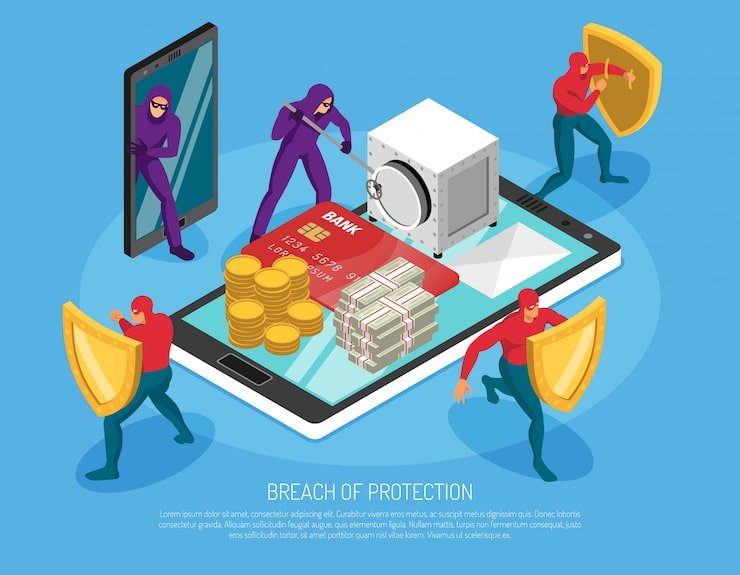
Custodial wallets grant third parties control over private keys. When considering what is a crypto wallet for online casinos, exchange wallets and casino accounts represent custodial arrangements where platforms hold user funds. The convenience trades against security and control. Understanding custodial risks reveals why self-custody receives strong recommendations despite requiring more user responsibility.
Control and ownership distinctions
Self-custody means users hold private keys controlling funds directly. The key possession grants complete control, including transaction authorisation and fund security. Custodial arrangements transfer control to third parties. Users maintain account access but not fundamental fund control. The control difference becomes critical during disputes or platform problems. Self-custody users access funds regardless of third-party cooperation. Custodial users depend on the platform’s willingness to release funds. The dependency creates vulnerability to platform decisions, policies, or failures. “Not your keys, not your coins” summarises the fundamental distinction.
Platform failure scenarios
Exchange and casino bankruptcies might prevent fund recovery. Historical examples include Mt. Gox, QuadrigaCX, and FTX losses totalling billions. The bankruptcies occurred despite platforms appearing legitimate beforehand. Users had no warning before access disappeared. Platform failures stem from various causes, including hacking, fraud, mismanagement, or regulatory actions. The causes matter less than the results. Users lose fund access regardless of the failure reasons. Self-custody eliminates platform failure risks. Funds remain accessible irrespective of any third-party problems.
Privacy compromises
Custodial platforms collect extensive user information. Know-your-customer procedures require identification, addresses, and sometimes financial details. The data collection creates privacy risks through breaches, analytics, or regulatory sharing. Self-custody enables maintaining transaction privacy. Personal wallets don’t inherently link to identities. Blockchain analysis can trace transactions but not necessarily identify users. Privacy protection particularly matters for users in restrictive jurisdictions or who value financial discretion.
Withdrawal limitation policies
Custodial platforms often restrict withdrawal amounts, frequencies, or timing. Daily withdrawal limits might be capped at $10,000 or $50,000. The limits prevent quick, large withdrawals during price volatility or personal needs. Platforms justify limits citing security, but restrictions constrain user freedom. Some platforms implement withdrawal fees or minimum thresholds. The fees range from flat amounts to percentage-based charges. Minimum withdrawals prevent the removal of small balances. Self-custody eliminates all platform-imposed restrictions. Users control their funds completely, including withdrawal timing and quantities.
Security responsibility tradeoffs
Custodial arrangements shift security responsibility to platforms. Users benefit from professional security measures exceeding personal capabilities. However, the security depends completely on platform competence and honesty. Security failures affect all users simultaneously. Self-custody returns security responsibility to users. The responsibility requires learning proper key management, backup procedures, and transaction verification. The learning curve deters some users who prefer delegating security. However, adequate self-custody provides security under user control rather than third-party dependency.
Casino-specific considerations
Crypto casinos storing user funds create custodial relationships. Deposits become platform-controlled until the withdrawal process. The temporary custody exposes users to platform risks during gambling sessions. Quick withdrawal processing minimises exposure periods. Some players maintain minimal casino balances, withdrawing winnings promptly. The practice limits custodial exposure to gambling amounts only. Others keep substantial balances for convenience despite risks. Quality risk management involves conscious tradeoffs between convenience and security. Self-custody for long-term storage combined with minimal casino deposits balances competing priorities.
Custodial wallet risks include control loss, platform failures, regulatory seizures, privacy compromises, withdrawal restrictions, security dependencies, casino exposure, and recovery challenges. Self-custody recommendations stem from eliminating third-party dependencies. Quality risk management involves conscious custody decisions balancing convenience against control and security.